

Best Paddle for Pickleball: Complete Buyer's Guide for Every Skill Level
Find the best pickleball paddle for your game. Compare power, control & balanced paddles. Engineering tested by Asian champions. Shop now.

Finding the best paddle for pickleball is the single most impactful equipment decision you will make as a player. The right paddle accelerates skill development, reduces injury risk, and directly influences whether your third-shot drop lands in the kitchen or clips the tape. This guide breaks down every specification, material, and play-style consideration you need — from beginner checklist to professional-grade carbon construction — so your next paddle purchase is a precision decision, not a guess.
---
What Makes the Best Pickleball Paddle? Key Factors to Know
Before comparing models, you need to understand the engineering variables that separate a high-performing paddle from a forgettable one. Every paddle on the court is shaped by a combination of regulated dimensions, core architecture, face material, weight, and grip geometry — and each of those variables interacts with your technique in specific ways.
ITPF Paddle Specifications
The International Pickleball Federation sets the official ceiling on paddle dimensions: maximum combined length and width of 24 inches, maximum width of 8.25 inches, and maximum thickness of 5/8 inch (approximately 15.9 mm). Weight is not strictly capped by the ITPF but falls within an industry-standard range of 7.0–8.3 oz (198–235 g) across competitive play. Any paddle used in sanctioned events must conform to these specifications, so always verify compliance before tournament registration.
Core Architecture
Two dominant core types define the market. Polypropylene (PP) honeycomb cores are the modern standard — lightweight, responsive, and capable of absorbing shock effectively. Composite cores blend materials for specific feel characteristics. PP honeycomb cores with tighter cell density produce a quieter, more controlled response, while larger-cell structures tend to generate more pop and power.
Face Materials
Carbon fiber faces deliver the highest responsiveness, durability, and spin-generation potential of any surface. The texture on a carbon face creates microscopic grip points that grab the ball through contact, enabling heavy topspin and slice. Fiberglass faces are softer and more affordable, producing a larger effective sweet spot with a more forgiving feel. Composite faces split the difference.
Weight Range and Balance Point
At 7.0–7.5 oz, a paddle feels nimble and easy to maneuver at the kitchen line. At 8.0–8.3 oz, you gain drive power and stability on hard resets. Balance point — whether weight is distributed toward the head, centered, or toward the grip — shifts how the paddle behaves on volleys versus groundstrokes.
Grip Size and Surface Texture
Grip circumference runs from 4.0 to 4.5 inches. Too large a grip reduces wrist snap and spin; too small increases fatigue and slippage. Grip texture — whether cushioned, perforated, or wrap-style — determines moisture management and hand comfort during multi-hour sessions.
Sweet Spot Size vs. Price Correlation
Premium paddles engineered from high-modulus carbon tend to have a deliberately optimized sweet spot — neither the largest nor smallest, but tuned for consistent energy transfer. Budget paddles compensate with an oversized sweet spot to forgive off-center contact. As price increases, manufacturers shift focus from forgiveness to precision and repeatability.
---
Power Paddles: Maximize Pace and Winner Shots
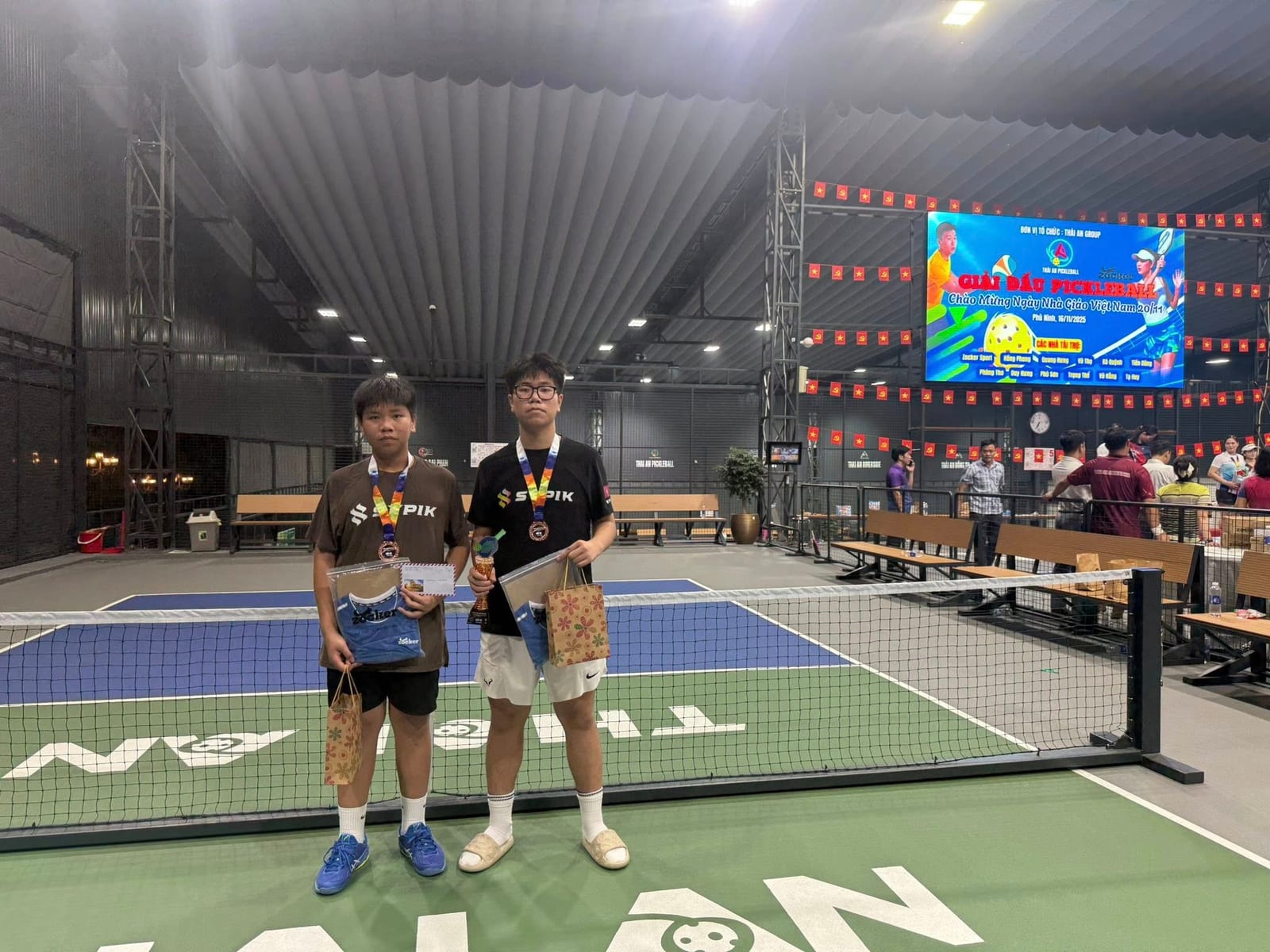 VĐV Sypik thi đấu pickleball
Power paddles are built around a simple premise: generate maximum ball speed with minimum swing effort. Understanding their engineering tells you exactly when — and for whom — they are the right tool.
Construction and Weight Profile
Power-oriented paddles sit in the 8.0–8.3 oz range and feature stiffer face materials, often a higher-modulus carbon or reinforced composite, paired with a denser core structure. The stiffer the face, the more energy is transferred directly into the ball rather than absorbed by the paddle itself. This is the engineering reason a stiff carbon-face paddle can produce 15–20% more ball speed than a soft fiberglass model at equivalent swing speed.
Larger Sweet Spot Design
Despite the stiffer construction, many power paddles are engineered with an elongated or wider head profile to expand the high-energy transfer zone. This design rewards aggressive flat drives and overhead smashes because slightly off-center contact still produces a punishing response.
When to Use a Power Paddle
Power paddles excel in scenarios where finishing points matters: aggressive baseline driving, putting away weak midcourt floaters, attacking a short third-shot return, and hitting ATP (around-the-post) winners. If your game is built on dictating pace and ending rallies early, a power-oriented build matches that philosophy.
The Trade-Off: Touch and Dink Control
The same stiffness that amplifies pace works against you at the kitchen line. A stiff paddle provides less feedback on soft dink exchanges, making it harder to control touch on drops. Players who rely heavily on dink strategy or extended soft-game rallies often find power paddles punishing for those mechanics.
Ideal Player Profile
Intermediate to advanced attackers — players who have already developed consistent groundstrokes and a reliable third shot — get the most from power paddles. If you are still building your soft game, a power paddle may slow that development.
Sypik Triton 5 Pro Ultimate
The Sypik Triton 5 Pro Ultimate represents the flagship of Sypik's power-oriented engineering. Built on a premium Carbon T700 honeycomb core construction, the paddle generates the explosive responsiveness demanded by tournament-level play. It is available in seven colorways — including Multiverse, Gold, and Navy — giving players visual identity without compromising technical specification.
Champions Case Study: Power Shots in Tournament Play
At the NGP Tour, Champions Sypik athletes have demonstrated the measurable impact of paddle choice on power game execution. Đỗ Minh Quân, huyền thoại quần vợt Việt Nam và một trong những vận động viên hàng đầu của Sypik, liên tục sử dụng mặt carbon cứng của Triton 5 để thực hiện những cú đánh flat-drive winners từ giữa sân — một chuỗi ký hiệu nơi anh ấy tạo cơ hội cho đối thủ đánh một quả bóng cao, sau đó anh ấy đánh xuyên tiếp xúc với bù đắp cổ tay tối thiểu. Thiết kế đầu ổn định của vợt cho phép chuỗi xoay này duy trì nhất quán trong các trận đấu năm set.
---
Control Paddles: Master Soft Hands and Kitchen Finesse
Control-oriented paddles are the weapon of choice for players who win by constructing points methodically — neutralizing pace, forcing errors through placement, and dominating the kitchen line through superior dink strategy and well-executed third-shot drops.
Construction and Weight Profile
Control paddles typically weigh 7.0–7.5 oz and feature softer core construction — often a lower-density PP honeycomb that absorbs more energy on contact. This absorption dampens the ball's exit speed but dramatically increases your ability to place it with precision. The lighter overall weight also enables faster paddle manipulation at the non-volley zone, where reaction time is measured in milliseconds.
Smaller Sweet Spot with Extended Spin Zones
Control paddles trade the large sweet spot of a power build for a more textured, spin-active face. The smaller high-precision zone demands better contact quality, but rewards that precision with extraordinary placement repeatability. Extended spin zones along the paddle's edges allow advanced players to generate heavy topspin on reset shots and create unpredictable ball movement on dinks.
Textured Face for Grip and Spin Generation
The face texture on a control paddle is often more aggressive — finer grit carbon weave or a deliberately roughened composite surface. According to data from USAPickleball.org, surface roughness is one of the most significant contributors to spin rate variation between paddle models, making face texture a critical spec for technical players who rely on spin to create angle and bounce unpredictability.
When to Use a Control Paddle
Control paddles are most effective during dink exchanges at the kitchen line, executing third-shot drops, resetting hard-driven balls from a defensive position, and net play where placement beats pace. They are also preferred for mixed doubles strategies where precision placement and court geometry management matter more than raw pace.
The Trade-Off: Power on Drives
The softer construction that enables touch also reduces the paddle's ability to generate pace on demand. If you find yourself needing to attack a short ball or drive a winner from the baseline, a control paddle requires a more complete swing to generate equivalent speed.
Ideal Player Profile
Defensive players, precision-oriented tacticians, and players whose game is built around the dink strategy and soft game will thrive with a control-oriented build. Older or physically smaller players who cannot rely on raw swing speed also benefit significantly.
Sypik Avatar Ultimate Pro Tour
The SYPIK AVATAR ULTIMATE PRO TOUR is engineered specifically for controlled, technical play at competitive level. Its construction prioritizes feel and feedback on touch shots, making it the paddle of choice for players like Sophia Huỳnh Trần Ngọc Nhi, whose dink strategy and kitchen-line patience have made her one of the most technically precise players in the Sypik Champions network.
Third-Shot Drop Execution
Under ITPF rules, the third shot is your team's opportunity to transition from the baseline to the kitchen line. A proper third-shot drop requires the ball to land in the non-volley zone (the kitchen) at a low, unattackable trajectory. The control paddle's damped energy transfer makes this shot significantly more consistent — players can swing through contact confidently, knowing the paddle will absorb excess energy rather than flinging the ball long.
---
Balanced Paddles: The Versatile All-Around Choice
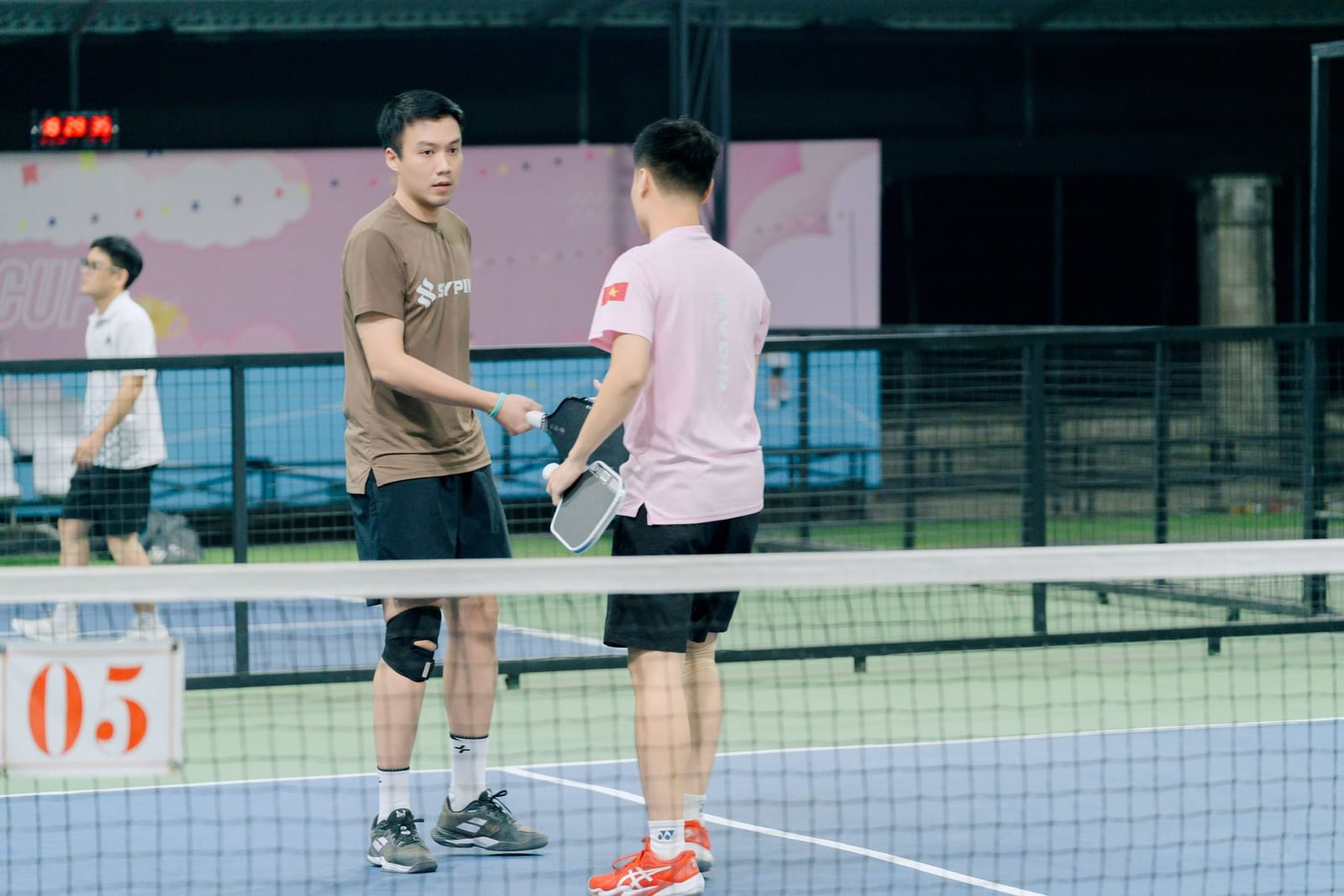 VĐV Sypik thi đấu pickleball
Balanced paddles represent the most pragmatic choice on the market — particularly for players whose game is still evolving, or who regularly switch between aggressive and defensive play styles in the same session.
Construction and Weight Profile
Mid-weight balanced paddles sit in the 7.5–8.0 oz range and feature a composite core construction that blends the responsiveness of power builds with the dampening of control designs. The face material is typically a medium-modulus carbon or high-grade fiberglass that delivers consistent energy transfer without the extreme stiffness of pure power constructions. The sweet spot is medium-sized — forgiving enough to handle off-center contact but responsive enough to reward good mechanics.
When to Use a Balanced Paddle
Balanced paddles shine in transitional play — moving from defensive resets at the baseline to net attacks at the kitchen line within the same rally. In mixed doubles, where you may need to drive aggressively on one point and execute a delicate dink on the next, a balanced build prevents you from fighting your equipment. Players competing in recreational leagues or social play, where rallies vary widely in tempo, also benefit from the versatility a balanced paddle provides.
The Trade-Off: Specialization
The honest limitation of a balanced paddle is that it is never the optimal tool for a single, specialized task. It will not generate as much pace as a dedicated power build, and it will not provide the same kitchen-line finesse as a purpose-built control paddle. Players who have clearly identified their style — either aggressive attacker or soft-game tactician — will eventually outgrow a balanced build and benefit from specializing.
Ideal Player Profile
Developing intermediate players, recreational competitors, and junior athletes in active training are the best match for balanced paddles. Having a tool that does not punish you in either dimension allows you to experiment with both play styles — which is precisely how players discover their natural game identity.
Champions Sypik Recommendation for Junior Athletes
Sypik's junior development program, which has produced Asian Junior Championships medalists, specifically recommends balanced paddles for athletes in the 12–15 age group who are still building their technical foundation. A balanced paddle allows coaches to work on all shot types — third-shot drops, dink exchanges, drives, and volleys — without the player battling equipment limitations. As technique matures, the pathway to either Sypik Triton 5 (power) or Avatar (control) becomes clearer.
---
Paddle Materials Explained: Carbon, Fiberglass & Honeycomb Cores
Understanding what your paddle is made of is not academic — it directly predicts how the paddle will behave in your hand during critical moments.
Carbon Fiber vs. Fiberglass Face
Carbon fiber paddle faces deliver superior stiffness-to-weight ratio compared to fiberglass. A carbon face transfers more energy to the ball and generates higher spin rates due to the texture inherent in woven carbon construction. Fiberglass faces are more flexible, which creates a larger, more forgiving sweet spot but reduces spin potential and precise energy direction. For competitive play, carbon consistently outperforms fiberglass in durability benchmarks — carbon faces resist surface degradation from repeated ball contact better than fiberglass over a 12-month high-frequency training cycle.
Premium T700 Carbon Construction
Sypik's manufacturing standard is Carbon T700 — a high-tensile aerospace-grade carbon fiber that combines stiffness, lightweight properties, and surface texture in a single optimized construction. T700 carbon offers a tensile strength of approximately 4,900 MPa, meaning the face maintains its structural integrity and consistent response characteristics far longer than standard-grade carbon or fiberglass alternatives.
PP Honeycomb Core: Entry vs. Advanced
Polypropylene honeycomb cores have replaced foam and aluminum in virtually all quality paddles. Entry-level paddles use larger-cell PP honeycomb, which is cost-effective but less consistent in response across the face. Advanced composite honeycomb constructions feature tighter cell geometry and higher polymer density, delivering more uniform feel and better delamination resistance under heavy use.
Durability: Edge Guard and Delamination Resistance
Edge guard quality determines how long a paddle survives contact with the court surface — an inevitability in competitive play. Sypik's edge guard design is integrated into the paddle's structural profile, reducing the risk of delamination (separation between face and core) that can develop in paddles where the edge guard is a cosmetic addition rather than a structural element.
Engineering Advantage
Sypik's manufacturing in Vietnam enables end-to-end quality control at every production stage — from raw carbon layup to final weight calibration. Each SYPIK TRITON 5 PRO ULTIMATE and SYPIK AVATAR ULTIMATE PRO TOUR unit is manufactured to ITPF-compliant specifications with precision tolerance checks that ensure consistent performance from paddle to paddle.
Warranty: 6-Month NFC Chip Guarantee
Every Sypik paddle ships with an embedded NFC chip in the handle. Players activate their 6-month warranty in under 30 seconds by tapping the chip with any smartphone. This system links the specific paddle's manufacturing batch data to your warranty record, enabling Sypik to verify authenticity and track performance lifecycle in a way no standard warranty card process can replicate.
---
Best Paddles by Skill Level: Beginner to Advanced
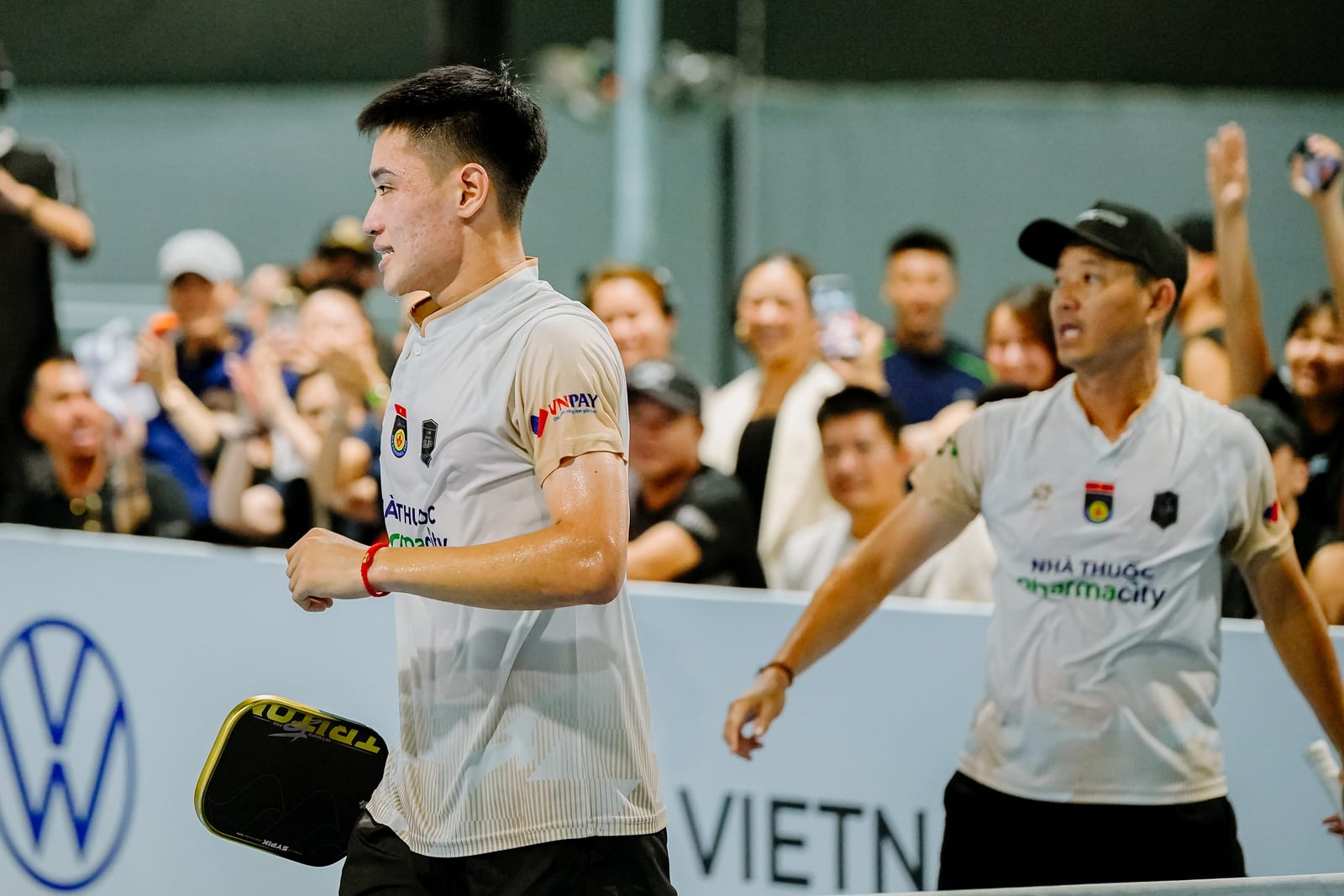 VĐV Sypik thi đấu pickleball
Matching paddle specifications to your actual skill level — rather than your aspirational level — is one of the most important decisions a developing player can make.
Beginner Paddle Criteria
New players need oversized sweet spots, forgiving cores, and manageable weight. The priority at the beginner stage is not maximizing any single performance dimension — it is making consistent contact and developing the muscle memory for proper swing mechanics. A paddle that punishes off-center hits or requires a precise swing angle to perform will slow skill acquisition. Weight in the 7.5–8.0 oz range with a composite or standard-grade PP honeycomb core is appropriate. Fiberglass or entry-level carbon faces provide adequate touch feedback without the demanding precision of advanced carbon construction.
Budget range for a quality beginner paddle sits between $100–200 USD. Avoid buying the cheapest option available — paddles below $80 frequently fail edge guard durability standards and provide inconsistent core response that teaches the wrong tactile feedback during the critical early learning phase.
Intermediate Paddle Criteria
At the intermediate stage, players have established consistent groundstrokes, understand kitchen-line mechanics, and are beginning to develop a deliberate play style. This is the inflection point where paddle choice starts influencing the direction of technical development. Intermediate players benefit from paddles that offer genuine performance differentiation — balanced or lightly specialized builds with carbon faces, consistent core response, and durable construction that can survive 5–10 hours of court time per week.
The $200–350 USD range is appropriate here. At this price point, T700 carbon and advanced PP honeycomb construction become accessible, and the performance differential over entry-level paddles is meaningful and measurable in actual play.
Advanced and Tournament Paddle Criteria
Tournament-level players require pro-grade specifications: precise weight-to-balance ratios, premium carbon face construction, optimized spin zones, and ITPF-certified dimensions. These players have an established style and need a paddle that executes a specific technical role with maximum consistency under competition pressure.
SYPIK TRITON 5 PRO ULTIMATE: Pro Tournament Specification
The Triton 5 Pro Ultimate is built for tournament environments — Carbon T700 face, premium PP honeycomb core, ITPF-compliant dimensions, and a weight profile calibrated for aggressive attacking play. It is the natural choice for advanced players whose game centers on pace generation and winner production. Explore the full range at sypik.com/paddles.
SYPIK AVATAR ULTIMATE PRO TOUR: Competitive Intermediate to Advanced
The Avatar Ultimate Pro Tour bridges the gap between high-level recreational play and competitive circuit performance. Its control-focused engineering makes it particularly effective for players developing a dink-dominant strategy or perfecting the third-shot drop sequence. Both paddles are priced at 5,700,000 VND (approximately $230 USD), placing them firmly in the competitive-quality tier.
Why Junior Champions Train on Premium Paddles from Age 12+
Sypik's junior development philosophy — which has contributed to Asian Junior Championships results — prioritizes putting premium equipment in young athletes' hands early. When a 13-year-old trains with a paddle that responds predictably and consistently, their tactile learning is accurate. Developing on substandard equipment means unlearning bad feedback when the player eventually upgrades. Training young athletes on quality gear from the start compresses the development timeline and produces cleaner technical foundations.
Progression Timeline: When to Upgrade
As a general guideline: upgrade your paddle when your technique has advanced beyond the equipment's feedback capability. Signs include feeling inconsistency in your kitchen-line touch that you cannot attribute to mechanics, noticing that drives feel "dead" rather than responsive, or observing that the paddle's feel has changed — often a sign of early core delamination.
---
What Professional Pickleball Players Use: Insights from Champions
Professional pickleball players approach paddle selection with the same deliberateness that a surgeon applies to instrument selection. Every gram, every millimeter of balance, and every surface characteristic is a considered choice.
Professional Specifications
At the professional level, paddle selection narrows considerably. Most pro players gravitate toward carbon fiber faces in the T700 or higher specification range, PP honeycomb cores tuned to their preferred response profile, and weight configurations that match their signature shot sequence. Grip size is chosen with surgical precision — many professionals add thin overgrip to adjust circumference by as little as 1/16 inch to optimize wrist snap on third-shot drops and ATP attempts.
Sypik Champions Network: Real Examples
Trương Vinh Hiển, 22 tuổi, chuyên gia tennis chuyên nghiệp chuyển sang pickleball, là một trong những vận động viên hàng đầu của Sypik, đã xây dựng trò chơi của mình xung quanh sự kết hợp của kỹ năng mạnh mẽ tại lưới và những cú volley tay nhanh ở đường kitchen. Lựa chọn vợt của anh nhấn mạnh phản ứng nhanh chóng ở mặt vợt và trọng lượng cân bằng hỗ trợ trao đổi vợt nhanh chóng trong các cuộc trao đổi dink nơi vợt di chuyển không quá sáu inch giữa các cú đánh.
Sophia Huỳnh Trần Ngọc Nhi, 18 tuổi, ứng dụng chiến lược dink có phương pháp dựa vào vị trí bóng chính xác và topspin nặng để kéo đối thủ ra khỏi vị trí kitchen tối ưu. Kỹ thuật của cô yêu cầu một mặt vợt nắm bóng xuyên tiếp xúc — một đặc tính được cung cấp trực tiếp bởi cấu trúc carbon có kết cấu trong dòng sản phẩm chuyên nghiệp của Sypik.
Lê Bảo Lâm, được biết đến với trò chơi lái xe bùng nổ, sử dụng cấu trúc cứng hơn của Triton 5 để tạo ra những cú đánh flat-drive winners nhất quán — một cú đánh nơi mặt carbon cứng của vợt chuyển đổi năng lượng xoay thành tốc độ bóng hiệu quả hơn bất kỳ bản dựng nào mềm hơn.
Tournament-Tested Gear
Results at the Asian Junior Championships and on the NGP Tour have validated Sypik's construction philosophy in competitive environments. Tournament conditions — outdoor wind, temperature variation, multi-hour match duration — test paddle consistency in ways that practice sessions cannot simulate.
Sponsorship vs. Personal Choice
Sypik's athlete selection process requires that sponsored players genuinely test and select their paddle based on technical compatibility with their game. This is not a promotional arrangement where equipment is assigned — it is a performance partnership. Champions Sypik athletes who prefer specific weight or balance configurations within the product range work with Sypik's technical team on spec optimization.
Why Premium Carbon Construction Justifies Investment
For competitive players logging 10+ court hours per week, the performance durability of T700 carbon construction is measurably superior to lower-grade materials. Surface texture retention — the roughness that enables spin generation — degrades faster on standard-grade carbon and fiberglass faces under heavy use. Premium carbon maintains its spin-active surface longer, which means consistent performance months into competition season rather than declining returns.
Learn more about the athletes who trust Sypik's equipment at sypik.com/champions.
---
Paddle Specifications Comparison: Weight, Thickness & Balance
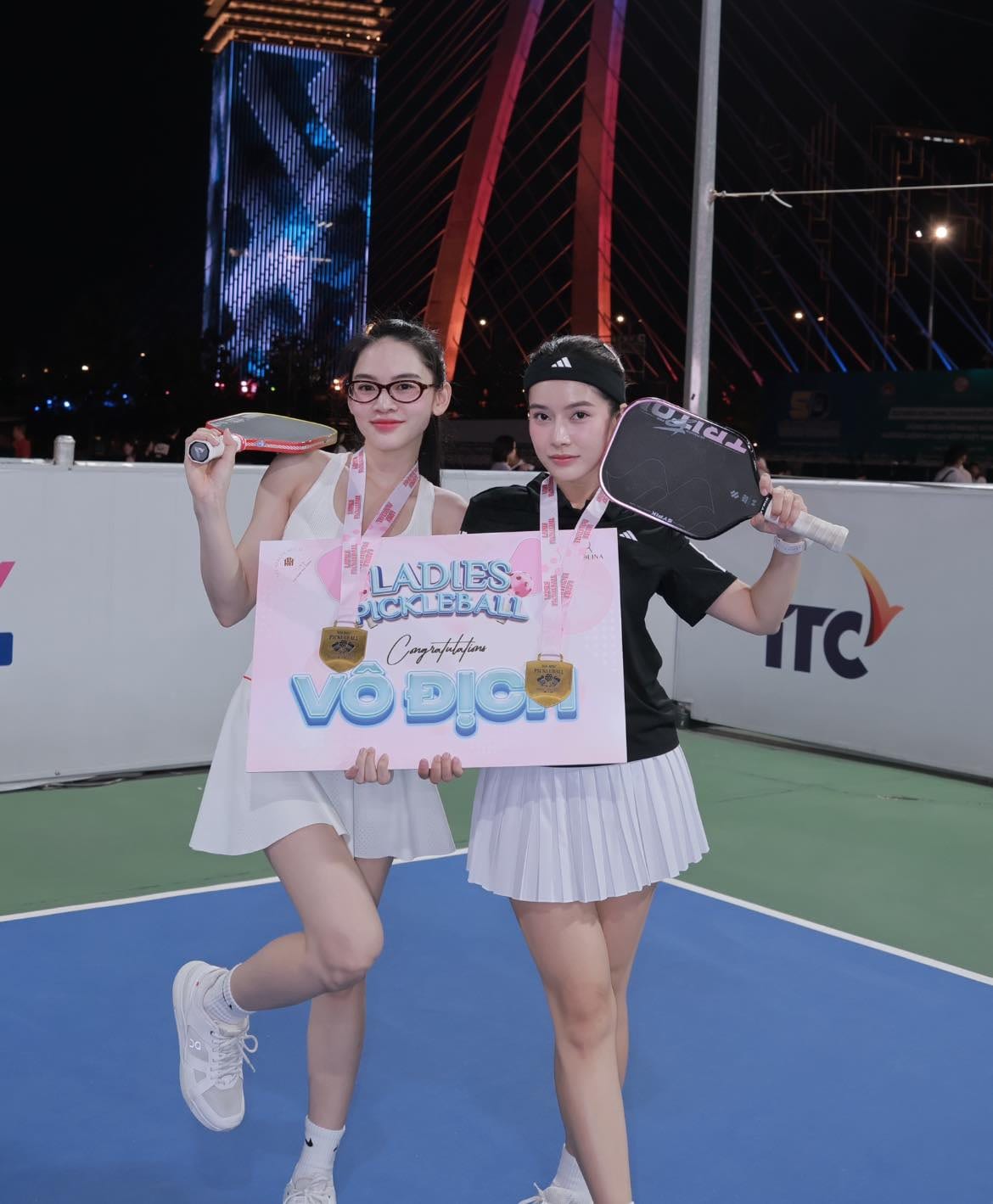 VĐV Sypik thi đấu pickleball
Understanding official specifications enables you to compare paddles on objective terms rather than marketing language.
ITPF Official Regulations
Per ITPF standards, paddle dimensions are governed by a combined length-plus-width limit of 24 inches, maximum width of 8.25 inches, maximum thickness of 5/8 inch (approximately 15.9 mm), and a minimum handle length unspecified but practically running 4.5–5.5 inches on most models. These specifications define the physical envelope within which all competitive paddle engineering operates.
Weight Categories
- Lightweight (7.0–7.5 oz): Maximizes maneuverability and touch; ideal for kitchen-dominant, soft-game players.
- Mid-weight (7.5–8.0 oz): Balances maneuverability and power; appropriate for all-around and transitional styles.
- Heavy (8.0–8.3 oz): Maximizes drive power and stability; suited for attacking baseliners and hard-hands net players.
Balance Point Impact
Head-heavy paddles shift mass toward the paddle face, amplifying swing momentum on drives and overheads. Even-balance paddles provide neutral response across all shot types. Grip-heavy paddles reduce head mass, making the paddle feel lighter in motion and easier to maneuver at the kitchen line — a characteristic valued in quick-exchange dink rallies.
Face Thickness: 13mm vs. 16mm Core
Thicker cores (16mm) absorb more ball energy, creating a softer, more controlled response — preferred for touch players. Thinner cores (13mm) provide a livelier, more direct energy transfer — preferred for power players. Sypik's manufacturing precision ensures that stated core thickness aligns with actual production measurements, a quality control detail that is more significant than it appears given the impact thickness has on feel consistency.
Grip Circumference
Standard grip sizes run 4.0–4.5 inches in circumference. Measure by holding the paddle with a normal forehand grip and checking that you can fit one finger of your opposite hand in the space between your fingertips and palm. Sypik paddles ship within ITPF-standard grip dimensions.
---
Beginner's Paddle Buyer Checklist: Don't Overlook These
A checklist-based approach prevents the most common purchasing errors that new pickleball players make.
Test Before You Buy
Before committing to any paddle, seek out court demo opportunities. Many pickleball clubs maintain demo paddles for exactly this purpose. Testing a paddle for 20–30 minutes of actual play reveals fit characteristics — balance feel, grip comfort, response on dinks — that no specification sheet captures. If purchasing online, check the retailer's return policy for equipment tried in play.
Ergonomics: Grip Comfort Over Hours
Choose grip circumference based on your hand size, not preference or habit from another racket sport. An oversized grip reduces wrist rotation and limits spin generation. An undersized grip increases fatigue and can contribute to arm strain over multi-hour sessions. Ergonomic grip shape — whether rounded or angular — affects how naturally the paddle rests in your palm during ready position.
Edge Guard Durability
Inspect the edge guard on any paddle you are considering. Look for edge guards that are structurally integrated into the paddle rather than glued onto the perimeter. A solid edge guard absorbs the inevitable court contact during dives and deflections without allowing moisture ingress, which accelerates core delamination.
Budget vs. Quality Investment
Entry-level paddles in the $100–200 range offer adequate performance for learning fundamentals. Premium paddles in the $250–350+ range deliver materials performance that genuinely supports competitive play. The $300 investment in a quality paddle is more cost-effective over two years than purchasing two $150 paddles that degrade faster.
Warranty Coverage
Understand what your manufacturer's warranty covers before purchase. Sypik's 6-month NFC chip warranty — activated at sypik.com/baohanh — covers manufacturing defects and structural failures. Activation takes under 30 seconds via smartphone tap on the embedded NFC chip in the handle.
Common Beginner Mistakes
The most frequent errors are: selecting an oversized grip because it feels "secure" (it reduces performance), choosing the heaviest paddle based on the assumption that heavier means better (it creates fatigue and slows kitchen-line response), and purchasing based on visual design rather than specification compatibility with actual play style and fitness level.
---
FAQ: Your Paddle Selection Questions Answered
What is the best pickleball paddle for beginners?
For beginners, the best paddle for pickleball is a lightweight model in the 7.0–7.5 oz range with an oversized sweet spot and a forgiving core construction. Priority should go to control and touch development over raw power — beginners benefit most from a paddle that makes consistent contact easy and provides clear tactile feedback during the learning phase. A balanced composite or entry-level carbon face paddle in the $150–200 USD range covers the majority of beginner needs effectively.
How much should I spend on a pickleball paddle?
Budget $150–250 USD for a quality beginner to intermediate paddle that will support your development through the first one to two years of serious play. For competitive intermediate players, the $250–350 range accesses genuinely performance-grade materials — carbon T700 construction, advanced PP honeycomb cores, and ITPF-compliant precision manufacturing. Tournament-grade paddles at $300+ are justified for players competing regularly and requiring consistent equipment performance over a full competition season.
What's the difference between power and control paddles?
Power paddles are heavier (8.0–8.3 oz) with stiffer face construction — typically high-modulus carbon — that maximizes energy transfer from swing to ball speed. Control paddles are lighter (7.0–7.5 oz) with softer core architecture that absorbs energy, enabling precise placement and soft-game finesse at the kitchen line. Power paddles favor attackers who finish points with pace; control paddles favor tactical players who win through placement, dink strategy, and third-shot drop execution.
Do professional pickleball players use different paddles?
Yes. Professional players select paddles with specifications precisely matched to their technical signature and tournament conditions. Pros typically require carbon fiber faces (T700 or higher specification), carefully calibrated weight-to-balance ratios, and surface texture optimized for spin generation on their signature shots. Sypik's Champions — including Trương Vinh Hiển and Đỗ Minh Quân — select from the Triton 5 Pro Ultimate and Avatar Ultimate Pro Tour based on personal technical requirements, not sponsorship default.
What are ITPF paddle regulations?
ITPF regulations specify a maximum combined length and width of 24 inches, maximum paddle width of 8.25 inches, maximum thickness of 5/8 inch (approximately 15.9 mm), and a weight range of 7.0–8.3 oz for standard competitive play. All paddle surfaces must be smooth and unpainted beyond approved texturing. Any paddle used in an ITPF-sanctioned event must be on the approved equipment list. Sypik manufactures its paddles to full ITPF compliance.
How do I choose between carbon, fiberglass, and composite paddles?
Carbon fiber — especially T700 and above — offers the best combination of durability, spin-generation capability, and long-term performance consistency. It is the preferred choice for serious competitive players. Fiberglass faces are more affordable and produce a larger, more forgiving sweet spot, making them suitable for beginners and recreational players. Composite faces blend characteristics from both materials, providing a cost-effective middle ground for intermediate players who want more responsiveness than fiberglass without the full investment in premium carbon.
What is the sweet spot on a pickleball paddle?
The sweet spot is the zone on the paddle face where energy transfer from swing to ball is at its maximum efficiency. Hitting the sweet spot produces the most consistent speed, direction, and feel. Larger sweet spots — typical in power paddles and beginner-oriented builds — are more forgiving of off-center contact. Smaller, more precise sweet spots — found on control paddles — require better contact quality but reward precision with superior placement control and spin consistency.
How often should I replace my pickleball paddle?
Competitive players training 8–10 hours per week should evaluate paddle condition every 12–18 months. Key indicators for replacement include: visible face delamination (bubbling or separation between face and core), loss of surface texture resulting in reduced spin capability, internal core degradation audible as a "dead" sound on contact, and edge guard compromise that exposes the paddle's structural layers to moisture. Recreational players with lower court frequency may comfortably use a well-maintained paddle for three or more years. Sypik's 6-month NFC warranty covers manufacturing defects within the initial ownership period.
What grip size should I choose for my paddle?
Standard grip circumference runs 4.0–4.5 inches. To test fit: hold the paddle in a normal forehand grip and insert the index finger of your opposite hand between your fingertips and the heel of your palm. You should have approximately one finger-width of space — snug enough for control, with enough clearance to avoid hand fatigue from an overly tight grip. When in doubt, choose the smaller size — it is easy to add overgrip material to increase circumference, but impossible to reduce a handle that is already too large.
Are expensive pickleball paddles worth the investment?
Premium paddles ($300+ USD) are worth the investment for players who compete regularly, train frequently, and have developed enough technique to feel the performance difference. T700 carbon construction, precision core manufacturing, and integrated edge guard design deliver measurable improvements in spin consistency, drive power, and longevity compared to budget alternatives. For recreational players with two to three hours of court time per week, the $150–250 range offers excellent value. The clearest indicator of readiness for premium equipment: when you can feel the difference between off-center and center contact, you have the sensitivity to benefit from a precision-grade paddle.
---
Conclusion: Choose Your Best Paddle & Start Winning
The decision framework for finding the best paddle for pickleball comes down to three intersecting variables: your current skill level, your dominant play style, and your long-term investment in the game. Beginners should prioritize forgiveness and touch development over specialization. Intermediate players should begin aligning their paddle choice with their emerging technical identity. Advanced and competitive players should treat paddle selection as a precision decision — one that directly influences whether their signature shots perform consistently under tournament pressure.
Sypik's two flagship paddles address the performance spectrum precisely. The SYPIK TRITON 5 PRO ULTIMATE — engineered on Carbon T700 honeycomb construction — is the tool for attacking, pace-generating players who demand pro-tournament specification. The SYPIK AVATAR ULTIMATE PRO TOUR serves the technically precise competitor whose game is built on kitchen-line mastery, dink strategy, and third-shot drop execution.
Both paddles carry the quality proof point of real competitive results: Asian Junior Champions have developed on Sypik equipment, and pro athletes including Trương Vinh Hiển, Sophia Huỳnh Trần Ngọc Nhi, and Lê Bảo Lâm compete with Sypik in their hands., built to ITPF standards, and backed by a 6-month NFC chip warranty, these paddles represent the manufacturing precision and performance consistency that serious players deserve.
Explore the full Sypik paddle collection and find your match at sypik.com/paddles. Activate your warranty in 30 seconds at sypik.com/baohanh.
---
Meta Description: Find the best paddle for pickleball for every skill level — power, control, or balanced — with specs, materials guide, and pro insights from Champions Sypik.
Related Articles

Lưới Pickleball: Hướng Dẫn Chọn & Tiêu Chuẩn Quốc Tế 2026
Hướng dẫn chi tiết lưới pickleball chuẩn ITPF: kích thước, chất liệu, cách lắp đặt và bảo trì. Dùng cho sân thi đấu, giải trí — đánh giá từ Sypik.

Túi Pickleball: Hướng Dẫn Chọn & So Sánh Gear Pro 2025
Hướng dẫn chi tiết cách chọn túi pickleball phù hợp: kích thước, chất liệu, brand top. Đánh giá từ Champions Sypik kèm bảo hành NFC 6 tháng.

Giải Pickleball 2026: Hướng dẫn Toàn Diện Các Giải Đấu Lớn Thế Giới & Việt Nam
Hướng dẫn chi tiết giải pickleball lớn nhất 2026: từ US Open, APP Tour, PPA đến giải Pickleball Việt Nam. Lịch thi đấu, quy tắc & cách tham gia.

Pickleball Ball: Hướng dẫn chọn bóng phù hợp cho mọi tay vợt
Tìm hiểu chi tiết về bóng pickleball: tiêu chuẩn ITPF, sự khác biệt trong nhà vs ngoài trời, cách chọn bóng phù hợp. Lỏng hơn tennis, điều khiển dễ hơn.