

Paddle Pickleball: Complete Guide to Choosing Your Perfect Paddle
Master paddle pickleball selection: materials, weight, specs & technique. Discover pro-tested paddles from Sypik Champions. Find your ideal match today.

Choosing the right paddle pickleball equipment is the single most impactful equipment decision you will make as a player. In the first 50 words of any competitive rally, your paddle determines spin generation, power transfer, and touch control at the kitchen line. This guide covers everything from official ITPF specifications to material science, weight selection, and professional player insights — so you can invest with confidence.
---
What is a Paddle in Pickleball?
A pickleball paddle is the primary striking instrument used in pickleball, a racket sport that blends elements of tennis, badminton, and table tennis. While the sport shares a family resemblance with tennis, a pickleball paddle and a tennis racket are fundamentally different tools designed for entirely different biomechanical demands.
Paddle vs. Tennis Racket: A tennis racket uses a strung frame, typically 27 inches long and 9–10 inches wide, with string tension generating rebound energy. A pickleball paddle is a solid-face implement — no strings — relying entirely on face material stiffness, core compression, and construction quality to generate power and control. Paddle faces can be carbon fiber, graphite, or fiberglass, each delivering a distinct response profile.
Official Dimensions (ITPF Standards): The International Federation of Pickleball regulates paddle dimensions strictly. The combined length and width of a paddle cannot exceed 24 inches, with a maximum length of 17 inches and a maximum width of 8.25 inches. These limits define the legal strike zone and prevent players from gaining an unfair reach or power advantage over opponents.
Paddle Anatomy: Every paddle consists of four primary components: the face (striking surface), the core (internal structure), the edge guard (protective frame perimeter), and the handle/grip (lower extension for hand placement). Each component contributes uniquely to how the paddle performs under competitive match conditions.
Role in Shot Quality: The paddle face material determines spin ceiling and power ceiling. The core material defines feel, sound, and vibration absorption. The grip length and circumference affect leverage and reach for overhead smashes. Together, these elements shape every third-shot drop, dink, and drive you execute on court.
Competitive Significance: At intermediate and professional levels, paddle selection directly affects win rates. A paddle that is too heavy fatigues the arm through long matches. A paddle that is too stiff reduces dinking touch. Serious players — including Sypik Champions Trương Vinh Hiển and huyền thoại quần vợt Việt Nam Đỗ Minh Quân — treat paddle selection as a performance decision, not a purchase decision.
---
Official Paddle Specifications & ITPF Standards
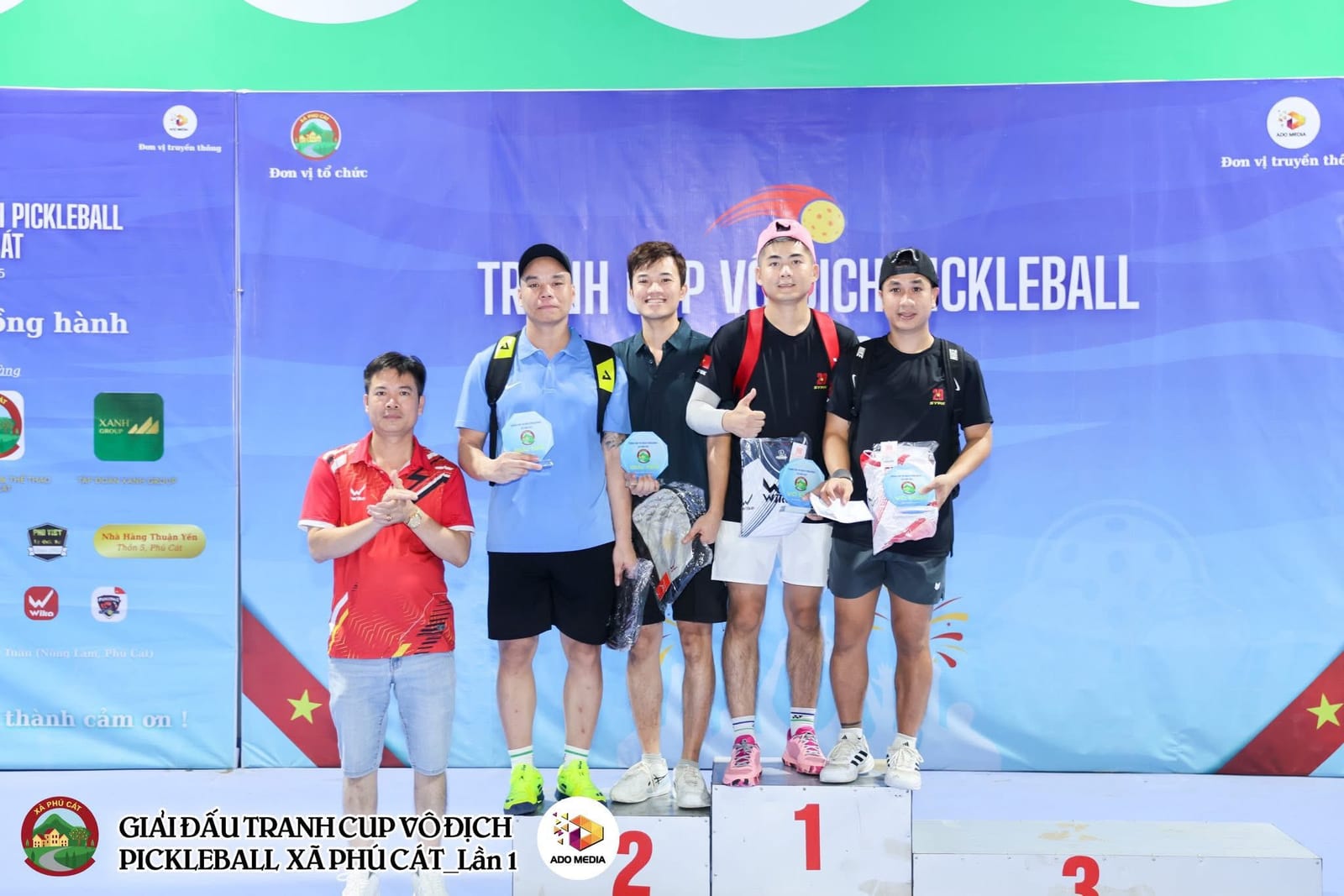 VĐV Sypik tại sân pickleball
Understanding official paddle pickleball regulations is essential for any player competing in sanctioned tournaments. The ITPF (International Federation of Pickleball) governs global equipment standards, and USA Pickleball enforces alignment with these standards in North American events.
ITPF Paddle Regulations 2024–2026: Current ITPF regulations specify that paddles must be made of rigid, non-compressible materials. No springs, membranes, or rubber faces are permitted. The paddle face must be smooth or textured but cannot feature holes, indentations, or rough abrasive materials that damage the ball.
Weight Limits: ITPF does not impose a strict maximum weight, but the accepted professional range is 7.0–8.5 ounces (198–240g). Most competitive paddles fall within this band. Paddles under 6.5 oz are rare in serious play; paddles over 9 oz are uncommon at the professional level due to reduced arm speed.
Face Material Restrictions: Composite materials including carbon fiber, fiberglass, and graphite are approved. No painted metallic or abrasive face materials are permitted. Face texture must meet ITPF grit standards and cannot exceed defined surface roughness thresholds.
Core Material Standards: PP (polypropylene) honeycomb and aluminum honeycomb cores are widely approved. Aramid (Kevlar) honeycomb cores are also tournament-legal. Core cells must not create a spring or trampoline effect that artificially amplifies power beyond what the face delivers naturally.
Dimension Rules: Maximum combined length + width: 24 inches. Maximum length alone: 17 inches. Maximum width alone: 8.25 inches.
Grip Circumference: Official grip circumference ranges from 4.25 to 4.625 inches. Players must select a grip within this band for tournament compliance. Overgrips can slightly increase circumference but must remain within limits.
Edge Guard & Seam Requirements: Edge guards must be securely attached with no protruding parts that could damage the ball or opponent's paddle. Delaminated edges or exposed core seams render a paddle non-compliant during official inspection.
Testing Certification: ITPF certification requires paddles to pass third-party laboratory testing for bounce/rebound performance, surface roughness, and dimension compliance. Always verify that your paddle carries current ITPF or USA Pickleball approval before entering sanctioned events.
---
Paddle Materials: Face, Core & Construction
Material science sits at the heart of every meaningful difference between entry-level and professional-grade pickleball paddles. Understanding what your paddle is made of — and why — transforms a purchase into a performance decision.
Carbon Fiber vs. Graphite vs. Fiberglass Faces:
- Carbon fiber faces deliver the highest stiffness-to-weight ratio, exceptional power transfer, and superior durability. Vibration is transmitted efficiently without energy loss, making carbon fiber the preferred choice for power hitters and precision players.
- Graphite faces offer a softer, more controlled feel. Graphite is lighter than carbon fiber but less stiff, meaning slightly more flex at ball contact — which benefits touch players who prioritize dink consistency over raw power.
- Fiberglass faces are the most flexible of the three. Fiberglass generates a natural trampoline effect at contact, adding power for less athletic swings. It is typically the entry-level and beginner-tier face material.
Honeycomb Core Characteristics: The internal honeycomb structure is constructed from one of three primary materials — PP (polypropylene), aramid, or aluminum — each with distinct performance profiles covered in detail in the Core Types section below.
Face Texture & Spin Generation: Textured carbon fiber faces, including T700, create micro-friction at the point of ball contact. This grit is what enables advanced players to generate topspin, backspin, and sidespin at speeds that change game dynamics entirely. Smoother faces reduce spin potential but may enhance control for softer shots.
The Sypik Triton 5 Formula: The SYPIK TRITON 5 PRO ULTIMATE is engineered around a T700 carbon fiber face bonded to a PP polypropylene honeycomb core. This specific combination produces an unusually large sweet spot relative to paddle size, with power delivery that doesn't sacrifice dinking precision — a balance that has made it the choice of Sypik's competitive athletes across Asia.
Manufacturing Quality: Even with identical materials, manufacturing consistency determines performance consistency. Uniform face-to-core bonding, sealed edge seams, and calibrated core cell density are what separate professionally manufactured paddles from lower-cost alternatives. Inconsistent bonding creates dead spots that reduce sweet spot reliability under match conditions.
---
Paddle Weight & Balance: Finding Your Sweet Spot
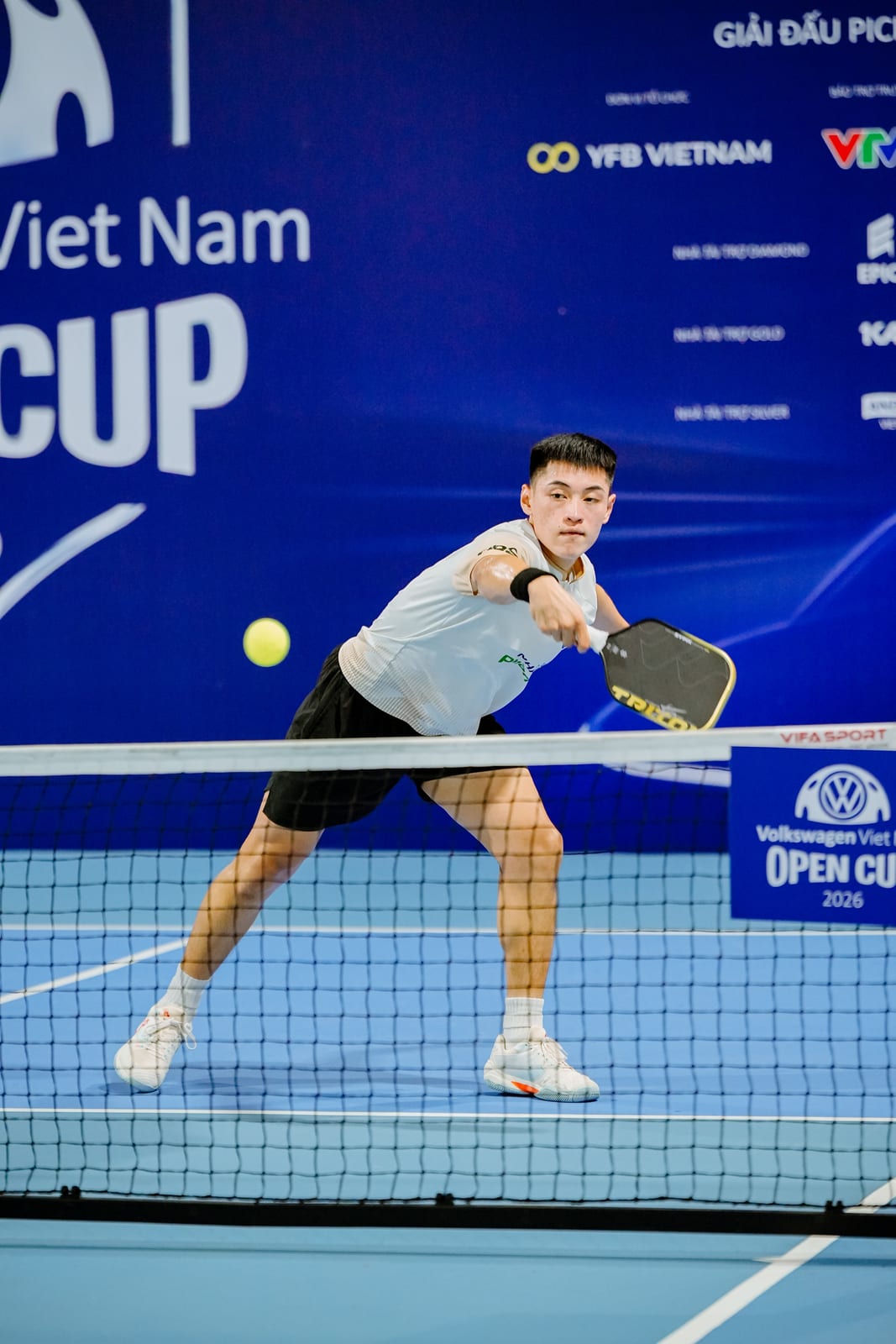 VĐV Sypik tại sân pickleball
Pickleball paddle weight is one of the most personal specifications in equipment selection. Unlike racket sports where string tension compensates for weight differences, every ounce in a pickleball paddle is felt directly in every swing, volley, and reset.
Light Paddles (Under 7 oz / 198g): Lightweight paddles under 7 oz excel in quick reflex exchanges at the kitchen line, rapid paddle transitions from forehand to backhand, and reduce cumulative arm fatigue during long sessions. Players with tennis elbow history or wrist injuries often benefit from lighter paddles. The trade-off is reduced drive power and potential vibration sensitivity.
Medium Paddles (7–8 oz / 198–227g): This is the professional sweet spot for most competitive players. Medium-weight paddles deliver a balance of swing speed and mass behind the ball, consistent third-shot drop mechanics, and forgiving feel on mis-hits. Most Sypik Champions play in this range, where ATP (around-the-post) shots and power drives coexist with soft kitchen exchanges.
Heavy Paddles (Over 8.5 oz / 241g+): Heavier paddles generate maximum power from compact swings and provide enhanced stability against hard-driving opponents. Some baseline-dominant players prefer this range, though it requires strong forearm conditioning to avoid injury over extended tournament play.
Balance Point & Swing Weight: Actual weight is only part of the equation. Swing weight — a measurement of rotational inertia — determines how the paddle feels in motion, not just in hand. A head-heavy 7.5 oz paddle has a higher swing weight than a handle-heavy 8 oz paddle. Many professional players customize balance using lead tape at the head or handle.
Beginner Recommendations: Beginners should start in the 7.5–8 oz range — light enough for control development, heavy enough to feel the ball clearly through the paddle face. As technique develops, players can refine weight preferences based on how their third-shot drop and dink game evolve.
Testing In-Hand: No specification replaces on-court feel. Wherever possible, test paddle weight and balance through a demo program or hitting session before committing to purchase.
---
Core Types: Honeycomb, Composite & Performance Differences
The core of a pickleball paddle functions as its shock-absorbing, energy-managing engine. Understanding core types helps players match paddle behavior to their specific playing style and competitive environment.
PP Honeycomb (Polypropylene): The most widely used core material across all price points. PP honeycomb offers a cost-effective construction with moderate sound dampening — important for indoor facilities with noise restrictions — good durability under sustained play, and consistent performance across temperature ranges. It is the standard in both entry-level and competitive paddles. The Sypik Triton 5 Pro Ultimate uses an optimized PP honeycomb with specific cell density calibrations designed to enhance the sweet spot consistency at the T700 carbon face layer.
Aramid Honeycomb (Kevlar): Premium-grade core material used in pro-tour paddles. Aramid delivers a more responsive, reactive feel at ball contact, increased vibration damping (protecting arm joints during long matches), and a noticeably softer sound profile compared to aluminum cores. The trade-off is higher manufacturing cost. Aramid cores are found in top-tier tournament equipment where arm health and precision responsiveness justify the premium.
Aluminum Honeycomb: High-stiffness, high-power core option. Aluminum cores create a firm, direct energy transfer at contact, favoring baseline power players who prioritize drive velocity. The sound profile is louder and the vibration profile is stiffer — less forgiving on off-center hits.
Composite Cores: Hybrid construction cores blend two or more materials — often PP + fiberglass layers — to engineer a specific balance of power, feel, and sweet spot size. Composite cores can deliver broader sweet spots with more predictable response across the face, benefiting all-court players.
Sound Profile: In restricted indoor venues, PP and aramid cores produce court-legal sound levels. Aluminum cores may attract noise complaints.
Longevity: PP honeycomb cores maintain performance for 1–3 years of regular play. Delamination — separation between face and core — is the primary failure mode. Early detection prevents mid-match equipment failure.
---
Paddle Face: Texture, Grip & Spin Generation
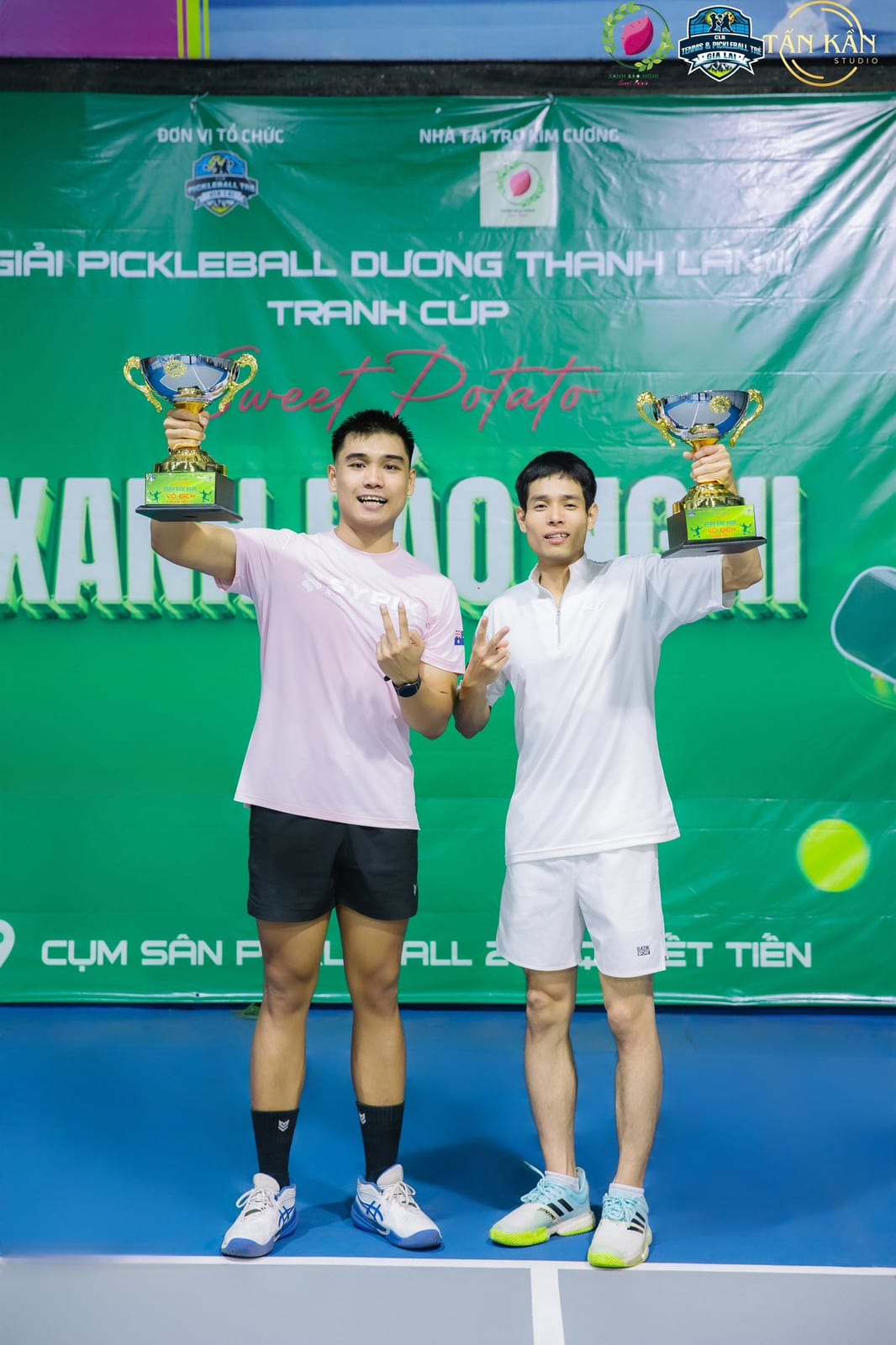 VĐV Sypik tại sân pickleball
The paddle face is your direct interface with the pickleball. Every spin shot, soft drop, and hard drive begins with face-to-ball contact — making face material and texture critical variables in shot execution.
Grit Texture & Friction Characteristics: Carbon fiber faces carry a micro-textured surface created during manufacturing. This grit creates friction at ball contact, allowing the paddle face to grip the ball briefly — enough to transfer rotational spin. Higher grit = more spin potential, but also more surface degradation over time. T700 carbon faces maintain grit integrity significantly longer than lower-grade carbon or fiberglass alternatives.
Spin-Friendly vs. Control-Focused Surfaces: Textured carbon faces favor aggressive spin players who use topspin drives, heavy backspin drops, and sidespin dinks to manipulate opponent positioning. Smoother surfaces prioritize flat, predictable ball trajectory — better for players who rely on placement and consistency over spin manipulation.
Professional Spin Techniques: Elite players like Sophia Huỳnh Nhi use face texture to generate heavy sidespin on cross-court dinks, making the ball skid low and wide after the bounce — a technique that requires both skill and a sufficiently textured paddle face to execute consistently.
Grip Material Options: Handle grips are available in cushioned foam, leather wrap, and synthetic options. Cushioned grips absorb sweat and reduce vibration, extending comfortable play duration. Leather grips offer direct feel and precise feedback. Synthetic grips provide a mid-point between the two.
Delamination Prevention: Face seal integrity — the bond between face layer and core — determines whether moisture, impact, and flex cycles cause premature face separation. Quality manufacturing applies sealed edge guards and moisture-resistant bonding agents to prevent delamination from propagating across the face.
Texture Degradation: All face textures degrade with play. Grit wear is accelerated by hard courts, outdoor grit, and aggressive topspin mechanics. Inspect face texture regularly; a glassy, smooth face signals reduced spin capability and may indicate time to replace the paddle.
---
Paddle Selection by Skill Level & Play Style
Matching a pickleball paddle to skill level and play style is not about buying the most expensive option — it is about aligning paddle characteristics with what your current game actually needs and where you intend to take it.
Beginner Paddles: Beginners benefit most from larger sweet spots, more forgiving cores, and predictable ball response. A fiberglass or entry-level graphite face on a PP honeycomb core in the 7.5–8 oz range provides enough pop for drives while remaining controllable during kitchen exchanges. The priority at beginner level is building consistent mechanics — not maximizing spin or power.
Intermediate Paddles: Intermediate players have developed enough technique to appreciate a smaller, more responsive sweet spot. At this level, lower vibration transmission becomes important as play frequency increases. Carbon fiber faces on PP honeycomb cores offer the step-up combination most intermediate players need: more spin capability, better feedback on off-center hits, and improved third-shot drop consistency.
Advanced & Professional Paddles: At advanced and professional levels, precision, responsiveness, and match-to-match consistency are the defining requirements. Pro players need a paddle that delivers the same feel during the tenth dink as the first. Carbon T700 faces bonded to calibrated PP or aramid honeycomb cores meet this demand.
Aggressive Baseline Players: Heavier paddles (7.8–8.3 oz), stiffer faces, and head-heavy balance favor players who dominate from the baseline with hard drives and overhead smashes. Power generation from compact swings is prioritized.
Net Players & Dink Specialists: Lighter paddles (7.0–7.5 oz) with softer, more dampened cores favor net-dominant players. Quick paddle transitions, subtle angle adjustments, and soft-touch resets require reduced swing weight and excellent vibration dampening.
Sypik Recommendations by Level:
- Competitive Intermediate to Pro: The SYPIK TRITON 5 PRO ULTIMATE — T700 carbon face, PP honeycomb core, available in 7 colors — is purpose-built for players who are serious about competitive improvement.
- Tournament-Focused Players: The SYPIK AVATAR ULTIMATE PRO TOUR — pro-tour tested, available in 4 colors — is the choice of athletes competing at the highest level, including Sypik's own Championship team members.
Professional Players & Paddle Technology
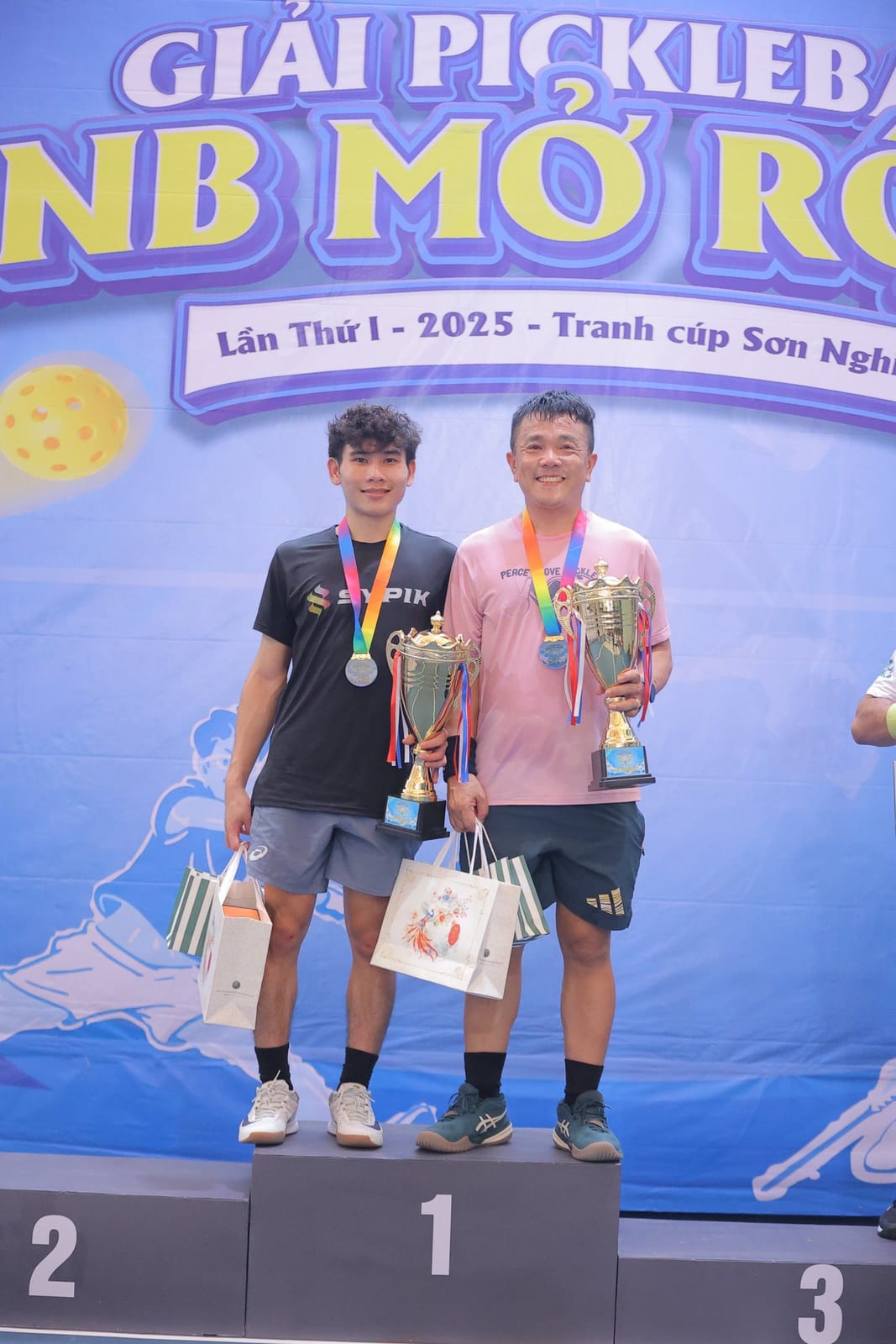 VĐV Sypik tại sân pickleball
Professional pickleball players approach paddle selection with the same methodical rigor as any elite athlete selecting competition equipment. For professionals, a paddle is not a commodity — it is a precision instrument that must perform identically under pressure across every match of a multi-day tournament.
How Pros Test Paddles: Professional players typically evaluate paddles across 5–10 hours of on-court testing before committing to a model. Key evaluation criteria include: sweet spot size and consistency, vibration profile during long dink rallies, power delivery on third-shot drives, balance point during overhead smashes, and grip security during moisture-heavy matches.
Tournament Paddle Consistency: At elite level, players often request multiple units of the same paddle to ensure backup consistency. Even minor manufacturing variation between two paddles of the same model affects feel — which is why calibrated production quality matters at the professional tier.
Sypik Champions & Paddle Technology: The Sypik Champions team — including 22 tuổi tennis professional Trương Vinh Hiển, huyền thoại quần vợt Việt Nam Đỗ Minh Quân (42 tuổi, 10 lần vô địch quốc gia tennis VN), và 18 tuổi Sophia Huỳnh Nhi (gia đình 4 đời quần vợt VN) — play with the SYPIK TRITON 5 PRO ULTIMATE và SYPIK AVATAR ULTIMATE PRO TOUR. These athletes provided direct performance feedback during paddle development, shaping specifications around real competitive demands rather than theoretical benchmarks.
Trương Vinh Hiển, vô địch OB Open Pickleball Championships 2024 và 3 huy chương Vô địch Pickleball châu Á, relies on the Triton 5's T700 face texture to execute precise third-shot drops with heavy backspin, transitioning the ball low over the net and forcing opponents into difficult kitchen exchanges. Đỗ Minh Quân, người giữ kỷ lục đơn nam #1 Việt Nam lâu nhất, sử dụng Avatar's calibrated swing weight để thực hiện ATP (around-the-post) shots yêu cầu explosive lateral reach with immediate control recovery. Sophia Huỳnh Nhi applies sidespin dink sequences using the Triton 5's micro-textured face to redirect ball angles at the kitchen line.
Asian Junior Championships: Sypik's junior development program has produced Asian Junior Championship-level players using the same paddle technology as the senior pros. This cross-generational validation — from junior development athletes to adult professionals — demonstrates paddle performance across different physical profiles and play styles. Vietnam's emerging generation of pickleball athletes is training with T700 carbon paddles that meet international tournament standards from day one of their competitive careers.
---
Paddle Specifications Comparison Table
Understanding how different pickleball paddle specifications compare across material categories and performance dimensions helps players make data-driven decisions.
Face Material Performance Comparison
| Face Material | Power | Control | Spin | Durability | Price Tier |
|---|---|---|---|---|---|
| Carbon T700 | High | High | High | Excellent | Premium |
| Standard Carbon | Medium–High | Medium–High | Medium–High | Good | Mid–Premium |
| Graphite | Medium | High | Medium | Good | Mid |
| Fiberglass | Medium–High | Medium | Low–Medium | Moderate | Entry–Mid |
Core Type Performance Matrix
| Core Type | Feel | Sound Level | Vibration Dampening | Durability | Cost |
|---|---|---|---|---|---|
| PP Honeycomb | Balanced | Low–Medium | Good | Excellent | Low–Mid |
| Aramid Honeycomb | Responsive | Low | Excellent | Very Good | High |
| Aluminum Honeycomb | Stiff/Direct | Medium–High | Low | Good | Mid |
| Composite Hybrid | Variable | Medium | Good | Good | Mid–High |
Weight Range Recommendations
| Weight Range | Best For | Style Match |
|---|---|---|
| Under 7 oz | Recovery/injury players, quick reflexes | Kitchen specialist |
| 7.0–7.5 oz | Dink-dominant, net players | Touch/control |
| 7.5–8.0 oz | All-court, competitive intermediate–pro | Balanced |
| 8.0–8.5 oz | Power baseline, aggressive drivers | Power |
| 8.5 oz+ | Strength-dominant, stability-focused | Heavy power |
Sypik Paddle Positioning
| Model | Face | Core | Weight Range | ITPF Compliant | Colors | Price |
|---|---|---|---|---|---|---|
| Triton 5 Pro Ultimate | Carbon T700 | PP Honeycomb | Pro range | Yes | 7 | 5,700,000 VND |
| Avatar Ultimate Pro Tour | Carbon T700 | PP Honeycomb | Pro range | Yes | 4 | 5,700,000 VND |
Both Sypik flagship models deliver T700 carbon performance at a price-to-value ratio that positions them competitively against international pro-tier paddles, with the added assurance of ITPF compliance verification.
---
Durability, Maintenance & Paddle Lifespan
A quality pickleball paddle is an investment. Understanding how to protect that investment — and when to retire a paddle — keeps your performance consistent and your game competitive.
Expected Paddle Lifespan: High-quality carbon fiber paddles with PP honeycomb cores typically perform at full specification for 1–3 years under regular play conditions (2–4 sessions per week, 60–90 minutes per session). At intensive tournament volume (100+ hours per year), expect 12–18 months before noticeable performance degradation.
Delamination Warning Signs: Delamination — the separation of the face layer from the core — is the primary failure mode in composite paddles. Warning signs include: a hollow, dead sound when striking the ball in specific zones, visible bubbling or flexion of the face surface, rattling from the core area, and loss of "pop" in the sweet spot. Delaminated paddles are non-compliant in ITPF events and compromise shot quality significantly.
Crack & Edge Damage Prevention: Avoid dropping paddles on hard court surfaces. Store paddles in protective cases, not loose in bags where edge guards can receive repeated impact. Edge guard damage is cosmetic in early stages but can expose core seam entry points for moisture.
Cleaning & Storage: Wipe faces clean with a slightly damp cloth after each session. Avoid abrasive cleaners that accelerate grit degradation. Store at room temperature — extreme heat (car interiors in summer) softens adhesive bonds over time and accelerates core delamination.
When to Retire a Paddle: Replace your paddle when delamination is confirmed, edge damage exposes core material, the face texture feels uniformly smooth under finger pressure, or the paddle fails a bounce-consistency test across the face.
Sypik NFC Warranty: All Sypik paddles include an NFC chip embedded in the handle that enables 6-month warranty activation via smartphone scan at sypik.com/baohanh. This system also serves as authenticity verification — ensuring players receive genuine Sypik paddle construction, not counterfeit reproductions. Activation takes under 30 seconds and provides direct access to warranty support.
Cost-Per-Hour Analysis: A 5,700,000 VND Sypik paddle delivering 200+ hours of competitive performance equates to approximately 28,500 VND per hour of play — significantly lower than the cumulative cost of replacing lower-quality paddles twice or three times in the same period.
---
Pickleball Paddle Buying Guide: Key Questions to Ask
Before purchasing any pickleball paddle, work through the following decision framework. Honest answers to these questions narrow the field quickly and protect you from expensive mismatches.
1. What is my current skill level and target level?
A beginner buying a pro-grade paddle before developing consistent mechanics may not benefit from its precision features. A competitive intermediate who buys entry-level will outgrow it within months. Match the paddle to where you are and where you are heading within 12 months.
2. Do I prefer power or control?
Power players benefit from stiffer faces and heavier paddles. Touch players benefit from lighter paddles with dampened cores and softer flex profiles. Most competitive players want both — which is what makes the 7–8 oz T700 carbon range so widely adopted.
3. What is my preferred play style?
Aggressive baseline driver, net-dominant dink specialist, or all-court versatility player? Each style maps to different weight and balance preferences.
4. What weight range suits my arm strength?
Players with previous tennis backgrounds typically adapt quickly to medium-heavy paddles (7.5–8 oz). New players and those with arm sensitivity should start lighter.
5. How important is a large sweet spot vs. precision feedback?
Larger sweet spots forgive off-center hits. Smaller, more defined sweet spots give advanced players cleaner feedback on exactly where the ball struck — enabling micro-adjustments between shots.
6. What is my budget range?
Premium carbon T700 paddles like the Sypik Triton 5 and Avatar represent the upper-performance tier. Budget paddles may meet basic compliance but sacrifice consistency and longevity.
7. Do I need ITPF certification?
If you plan to enter any sanctioned tournament — including APP Tour events, USA Pickleball sanctioned events, or Asian regional championships — yes, ITPF compliance is mandatory.
8. Should I test before purchasing?
Absolutely, wherever possible. Weight and balance feel completely different in motion versus in-hand at a retail display.
9. How do I match grip size to my hand?
Official grip circumference is 4.25–4.625 inches. A simple test: hold the paddle grip with your dominant hand and check that your ring finger does not overlap your thumb. Proper fit reduces wrist strain and improves dink control.
10. What warranty and support matter to you?
Sypik's NFC chip warranty provides verifiable, manufacturer-backed 6-month coverage — a concrete assurance that the paddle performs as specified from day one.
---
Sypik Paddle Lineup: Premium Vietnamese Manufacturing
Sypik is a Vietnamese pickleball brand — We Are Champions — founded by Vietnamese players and manufactured in Vietnam — a distinction that carries both pride and competitive credibility across the Asian pickleball community. From Malaysia to the Philippines to Singapore, Sypik paddles are recognized as the regional standard for serious competition.
Brand Heritage: Sypik was built from the inside of Vietnamese competitive pickleball outward — by players, for players. Every design decision in the Sypik paddle lineup reflects direct feedback from athletes competing at national and international levels, not from boardroom speculation about what players might want.
SYPIK TRITON 5 PRO ULTIMATE — Flagship Line:
The Triton 5 is Sypik's most versatile high-performance paddle. Constructed with a T700 carbon fiber face and PP polypropylene honeycomb core, it delivers the sweet spot consistency and spin generation that competitive intermediate-to-professional players demand. Available in 7 colors: Multiverse, Gold, Silver, Pink, Orange, Purple, and Blue. Price: 5,700,000 VND.
SYPIK AVATAR ULTIMATE PRO TOUR — Pro Tour Line:
The Avatar is the choice of Sypik's top competitive athletes who require tournament-specific precision across consecutive high-intensity matches. Available in 4 colors: Blue, Green, Yellow, and Red. Price: 5,700,000 VND.
Championship Validation: The Sypik Champions team — Trương Vinh Hiển, Đỗ Minh Quân, Sophia Huỳnh Nhi, and Sypik's full roster of junior and senior athletes — actively use both models in official competition. This is not endorsement positioning; these athletes shaped the paddle specifications through real tournament feedback.
Junior Development Investment: Sypik's investment in junior athlete development — producing Asian Junior Championship competitors from within Vietnam — means the next generation of Asian pickleball leaders is growing up training with T700 carbon paddles meeting international specifications. This junior pipeline is a unique differentiator in the Asian pickleball market.
Quality Control & ITPF Compliance: Every Sypik paddle undergoes ITPF compliance verification before leaving production. NFC chip authentication ensures players receive genuine product construction with activated warranty coverage via sypik.com/baohanh.
Explore the full lineup at sypik.com/paddles.
---
Conclusion: Choose Your Paddle, Elevate Your Game
The right paddle pickleball decision comes down to three intersecting variables: materials (Carbon T700 for serious players), weight (7–8 oz for the professional range), and core type (PP or aramid honeycomb for the best combination of performance and durability). Every section of this guide points back to the same principle: informed selection outperforms impulsive purchase every time.
Paddle choice is ultimately personal. The specifications narrow your options — on-court testing confirms the match. ITPF certification ensures you compete on equal footing in any sanctioned event worldwide. And an investment in a quality paddle consistently improves shot consistency, dinking precision, and competitive longevity compared to budget alternatives.
The SYPIK TRITON 5 PRO ULTIMATE and SYPIK AVATAR ULTIMATE PRO TOUR deliver pro-grade T700 carbon performance, validated by Champions competing at the highest levels of Asian pickleball — and backed by verifiable 6-month NFC warranty coverage.
Activate your warranty at sypik.com/baohanh. Explore the full paddle lineup at sypik.com/paddles. Join the community of serious players and junior champions building the future of pickleball from Vietnam to the world.
---
Frequently Asked Questions
Q: What does ITPF certification mean for pickleball paddles?
ITPF (International Federation of Pickleball) certification confirms that a paddle meets the official standards for weight, dimensions, face materials, and construction required for tournament play. ITPF-certified paddles have passed third-party laboratory testing for surface roughness, rebound compliance, and dimensional accuracy. If you plan to enter any sanctioned competition — APP Tour, USA Pickleball events, or Asian regional championships — your paddle must carry current ITPF or USA Pickleball approval. Always verify certification status before purchasing a paddle intended for competitive use, as approvals can be updated or revoked between rule cycles.
Q: Is a heavier or lighter pickleball paddle better for beginners?
Beginners benefit from light to medium paddles in the 7–8 oz range for several reasons. Lighter paddles are easier to swing with consistent mechanics during early technique development, reduce cumulative arm fatigue during longer learning sessions, and allow quicker paddle recovery between shots. Heavy paddles (8.5 oz+) require developed forearm conditioning and proper mechanics to use effectively. New players who start too heavy often develop compensation habits — shortened swings, poor follow-through — that limit their long-term development. Start in the 7.5 oz range and adjust as your game evolves.
Q: What is the difference between honeycomb and composite core paddles?
Honeycomb cores — whether PP (polypropylene) or aramid — are single-material cellular structures that provide consistent compression response, good sound dampening, and reliable durability. PP honeycomb is cost-effective and widely used across all competitive tiers. Aramid honeycomb is premium-grade with superior vibration absorption and a softer sound profile. Composite cores blend multiple materials — often PP with additional fiber layers — to engineer hybrid performance characteristics, typically delivering broader sweet spots with more predictable response. Composite cores can benefit all-court players who need consistency across multiple shot types rather than specialization in one area.
Q: How do I know if my paddle is the right weight for me?
The most reliable method is on-court testing across multiple shot types. During testing, evaluate: how your wrist feels after a 60-minute session of hard dinking, whether your third-shot drops feel consistently soft or inconsistently heavy, how quickly you can reset your paddle from a power drive to a soft block, and whether your arm fatigues in long rallies. Lighter paddles suit players who rely on quick reflexes and soft touch. Heavier paddles suit players who generate power from compact, efficient swings. If you experience persistent wrist or elbow discomfort, try a lighter paddle before adjusting your technique.
Q: What is an NFC paddle warranty and how does it work?
Sypik's NFC (Near Field Communication) warranty system embeds a chip inside the paddle handle during manufacturing. To activate your 6-month warranty, tap your smartphone to the handle — NFC-enabled phones detect the chip automatically — and follow the link to sypik.com/baohanh. Activation takes under 30 seconds and registers your specific paddle unit in Sypik's warranty database. The NFC chip also serves as authenticity verification, confirming the paddle is genuine Sypik construction. This system protects players from counterfeit products and ensures that warranty claims are processed against verified, registered units.
Q: Can I use a tennis racket to play pickleball?
No. A tennis racket is not a legal instrument for tournament pickleball and is not suited to the game's mechanics. Tennis rackets use strung frames that generate an entirely different rebound profile than solid pickleball paddle faces. The dimensions are also incompatible — a tennis racket exceeds ITPF maximum paddle dimensions significantly. In casual recreational play, a tennis racket can physically hit a pickleball, but the control and touch mechanics of dinking, third-shot drops, and kitchen exchanges require a properly constructed solid-face paddle. Any sanctioned tournament will disqualify non-approved equipment immediately.
Q: What carbon fiber grade should I look for in a pickleball paddle?
Carbon T700 is the benchmark grade for serious competitive paddles. T700 carbon fiber delivers a tensile strength of approximately 4,900 MPa and a tensile modulus of 230 GPa, translating to superior stiffness-per-weight, consistent energy transfer across the face, and significantly better face texture retention under heavy play. Lower-grade carbon fiber can be marketed as "carbon fiber" without specifying grade — meaning the performance difference is meaningful but not visually obvious on spec sheets. When evaluating premium paddles like the SYPIK TRITON 5 PRO ULTIMATE, confirm the T700 specification explicitly for genuine premium performance assurance.
Q: How often should I replace my pickleball paddle?
Quality paddles with T700 carbon faces and PP honeycomb cores typically perform at full specification for 1–3 years under regular play (2–4 times per week). At high tournament volume (100+ hours per year), plan for replacement at 12–18 months. Replace your paddle immediately if you detect delamination (hollow dead zones in the sweet spot), edge damage exposing core material, or a uniformly glassy face texture indicating depleted grit. Waiting too long to replace a degraded paddle costs performance quality during the period of decline — and may result in non-compliance during paddle inspection at sanctioned events.
Q: What grip size should I choose for my paddle?
Official grip circumference for ITPF-compliant paddles ranges from 4.25 to 4.625 inches. To find your ideal size within this range: hold the paddle grip and check that your ring finger fits snugly without overlapping your thumb (too small) or leaving excessive space (too large). A proper grip fit reduces wrist strain during long rallies and improves control on dinks and soft resets. Players with larger hands may prefer 4.5–4.625 inches; players with smaller hands or those who prefer wrist snap on drives may prefer 4.25–4.375 inches. Overgrip tape adds approximately 1/16 inch per layer if fine-tuning is needed.
Q: Why do Sypik Champions choose specific paddle models?
Sypik Champions like Trương Vinh Hiển, Đỗ Minh Quân, and Sophia Huỳnh Nhi select paddles based on performance-tested construction requirements — not sponsorship convenience. The T700 carbon face on Sypik paddles provides the precise grit texture they need for third-shot drops with heavy backspin, dinking with directional spin variation, and power drives that maintain control at transition zone pace. The PP honeycomb core delivers the consistent sweet spot response they require across consecutive tournament matches, where paddle fatigue (and paddle degradation) can affect shot quality by day two or three of competition. Championship-level selection is specific, data-driven, and built on hundreds of hours of on-court testing — exactly the process Sypik's Champions used to validate both the Triton 5 and Avatar models.
---
Meta Description: Discover the complete paddle pickleball guide — ITPF specs, carbon T700 materials, weight ranges, core types, pro player insights & Sypik champion-tested paddle recommendations.
Related Articles

Lưới Pickleball: Hướng Dẫn Chọn & Tiêu Chuẩn Quốc Tế 2026
Hướng dẫn chi tiết lưới pickleball chuẩn ITPF: kích thước, chất liệu, cách lắp đặt và bảo trì. Dùng cho sân thi đấu, giải trí — đánh giá từ Sypik.

Túi Pickleball: Hướng Dẫn Chọn & So Sánh Gear Pro 2025
Hướng dẫn chi tiết cách chọn túi pickleball phù hợp: kích thước, chất liệu, brand top. Đánh giá từ Champions Sypik kèm bảo hành NFC 6 tháng.

Giải Pickleball 2026: Hướng dẫn Toàn Diện Các Giải Đấu Lớn Thế Giới & Việt Nam
Hướng dẫn chi tiết giải pickleball lớn nhất 2026: từ US Open, APP Tour, PPA đến giải Pickleball Việt Nam. Lịch thi đấu, quy tắc & cách tham gia.

Pickleball Ball: Hướng dẫn chọn bóng phù hợp cho mọi tay vợt
Tìm hiểu chi tiết về bóng pickleball: tiêu chuẩn ITPF, sự khác biệt trong nhà vs ngoài trời, cách chọn bóng phù hợp. Lỏng hơn tennis, điều khiển dễ hơn.